7 College Football Mistakes Bettors Make
College football analysis is strongest when it combines the 2026 schedule, FBS conference context, team efficiency, injuries, and the College Football Playoff rather than relying on rankings alone. ES...

7 College Football Mistakes Bettors Make
College football analysis is strongest when it combines the 2026 schedule, FBS conference context, team efficiency, injuries, and the College Football Playoff rather than relying on rankings alone. ESPN lists the regular season across Weeks 1–15, with the 2026 campaign beginning in late August and postseason games continuing through January 2027. The NCAA identifies the FBS national championship game for January 25, 2027, at Allegiant Stadium in Las Vegas. Conferences including the ACC, Big Ten, Big 12, SEC, American, Mountain West, and Sun Belt create very different schedule profiles, while FCS programs can introduce major matchup uncertainty. The practical answer is simple: evaluate opponent quality, travel, rest, and game-state performance before considering any prediction or wager. Stadium View can help organize football information, but responsible decisions still require checking official schedules, confirmed lineups, and current market prices.
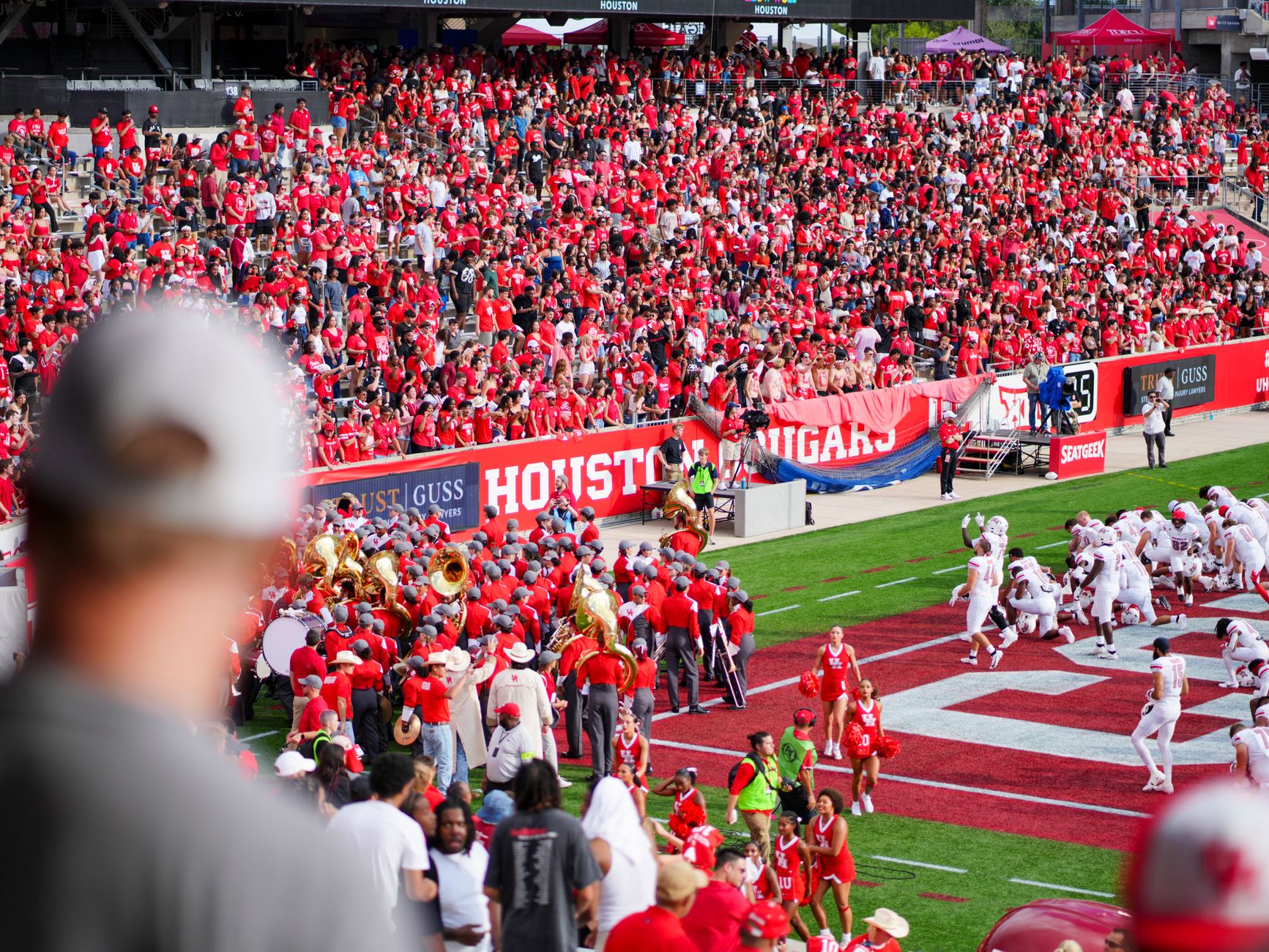
Photo by Photo Eddie O. on Pexels
Imagine arriving at a major college football Saturday with excellent seats, a calm afternoon, and a betting budget that would make most people uncomfortable. The mistake, rather embarrassingly, is not usually the amount involved; it is assuming that a famous program automatically provides a reliable read. College football is unusually sensitive to conference strength, roster turnover, home-field intensity, quarterback experience, weather, and the timing of a game within a demanding schedule. I have watched heavily favored teams dominate one week and look strangely ordinary seven days later, often because the matchup exposed a weakness that rankings concealed. That is why the most useful approach is not to chase every headline, but to separate durable evidence from attractive noise. Before discussing specific mistakes, it is worth understanding what the players, coaches, and markets are actually responding to.
If you prefer a broader competition overview first, consult our [Internal Link: college football conference guide] before comparing teams from different divisions.
Want a more disciplined starting point? Stadium View offers additional football analysis for readers who prefer context over theatrics.
The Bottom Line
College football bettors most often lose analytical accuracy by treating rankings, brand reputation, and recent scores as complete information. The better method is to price the matchup independently, then compare that assessment with the available line.
The NCAA separates major college football competition into divisions, with the Football Bowl Subdivision, or FBS, sitting at the highest level of NCAA football. FBS teams compete for conference titles and postseason access, while the College Football Playoff determines the national champion. The schedule is not a decorative list of fixtures; it is one of the most important predictive variables because a team facing Alabama, Georgia, Texas, and LSU will experience a different path than a team playing a softer nonconference slate.
A sensible college football review should answer five questions before it reaches a conclusion:
- How efficient is each offense and defense on a per-play basis?
- Which team has the healthier quarterback, offensive line, and secondary?
- Is the matchup being played at a difficult venue or after unusual travel?
- Does the current spread account for recent injuries and transfer movement?
- Is the price attractive, or merely attached to a famous logo?
The NCAA Division I football overview provides useful historical context, but historical prestige should never replace current evidence. Ohio State, Michigan, Notre Dame, Oregon, Clemson, and Alabama can attract attention effortlessly; that does not mean every number associated with them is efficient.
What Do Players Actually See?
Players see a contest shaped by preparation, personnel, field position, communication, and fatigue—not a clean ranking table. A quarterback may face a defense that ranks modestly overall but excels against his preferred passing concepts, while a supposedly weak offensive line may improve significantly at home.
A box score records outcomes, yet it can hide the mechanism behind them. A team may win 34–14 because it returned a kickoff, recovered two fumbles, and began drives near midfield; another may win 24–17 while consistently producing better third-down and red-zone possessions. Those distinctions matter when projecting the next game, particularly because turnover margins are volatile and often regress toward normal levels. According to ESPN’s college football schedule, the 2026 calendar includes conference and nonconference games distributed from Week 1 through Week 15, followed by bowl and CFP windows. That structure means a team’s position in the calendar can matter almost as much as its opponent.
The first mistake, then, is reading the final score without studying the drive-level story. Look for yards per play, explosive plays allowed, sack rate, early-down success, red-zone efficiency, and opponent-adjusted performance. I also pay attention to whether production came from a stable system or from one exceptional player who has since entered the transfer portal, declared for the NFL Draft, or missed practice. A high-profile transfer can improve a roster, but chemistry and play-calling usually take time. In my experience, the market often reacts immediately to the name and more slowly to the operational adjustment, which creates a narrow but real analytical window.

Photo by Pixabay on Pexels
The second mistake is ignoring venue and travel. A neutral-site game in Dublin, Ireland, an early kickoff in the Eastern time zone, or a cross-country trip to Los Angeles can alter routine, sleep, communication, and substitution patterns. For example, the 2026 schedule includes a North Carolina–TCU matchup at Aviva Stadium in Dublin, while San José State visits USC at the Los Angeles Memorial Coliseum. These are not interchangeable environments, even before injuries or weather are considered. The College Football Playoff also creates a different pressure setting because every late-season possession can affect selection, seeding, or elimination.
For readers tracking weekly movement, our [Internal Link: 2026 college football schedule and TV guide] can help organize kickoff times, locations, broadcasts, and conference context.
What Are the 3 Things That Matter Most?
The three most important factors are quarterback and trench availability, opponent-adjusted efficiency, and schedule context. These variables tend to explain more about a college football matchup than raw win-loss records, social-media momentum, or a single memorable highlight.
1. Personnel Availability
Quarterback status receives the attention, quite properly, but offensive tackle, center, pass-rushing edge, and cornerback absences can be equally decisive. A replacement quarterback may perform competently behind a healthy line, while an experienced starter can struggle when pressure arrives immediately from both sides. Confirmed injury information should come from team announcements, beat reporters, and credible providers rather than anonymous posts.
One practical edge is to examine timing. If a starting tackle is ruled out late in the week, the spread may move quickly, but the in-game effect depends on the replacement’s snaps, blocking scheme, and the opponent’s pressure package. This is one of the less glamorous details that matters enormously. After reviewing several weeks of college football markets, I have found that the public tends to overreact to quarterback labels and underreact to coordinated losses in the offensive line. That does not produce a guaranteed wager; it produces a better question.
2. Efficiency Over Reputation
Efficiency statistics should be adjusted for opponent quality whenever possible. A defense that dominates a weak nonconference schedule may look statistically elite until it faces an SEC or Big Ten offense capable of attacking its depth and tackling discipline. Conversely, a team with ordinary raw numbers may have performed well against a series of ranked opponents.
Useful indicators include:
- Success rate on early downs.
- Yards per play on offense and defense.
- Explosive-play frequency.
- Havoc rate, including tackles for loss, sacks, and forced fumbles.
- Red-zone touchdown percentage.
- Third-down conversion and stop rates.
- Starting field position and special-teams efficiency.
The third mistake is placing too much confidence in one metric. Success rate measures consistency, while explosiveness measures damage; a balanced team can be difficult to defend even if neither figure leads the nation. A useful contrarian insight is that a team with an excellent success rate but poor finishing ability may be more vulnerable than its overall yardage suggests. Conversely, a team with a few explosive plays can appear dominant while struggling to sustain drives. I would rather see several complementary indicators than one beautiful ranking.
3. Schedule and Game-State Context
The 2026 FBS schedule contains different levels of rest, travel, rivalry pressure, and conference density. A team playing its third demanding opponent in four weeks may have a statistical profile that understates fatigue. A team returning home after two road games may be priced differently from the same team at a neutral venue.
Game state also deserves careful treatment. Teams leading by three touchdowns often become conservative, allowing opponents to gain late yards without genuinely threatening the result. Teams trailing early may accumulate passing yards against prevent coverage, creating a misleading impression of offensive strength. This is why first-half performance, neutral-down efficiency, and closing-game tendencies can reveal more than total yardage.
Want to compare these variables without being distracted by team branding? Stadium View’s football coverage is designed to place tactical and statistical details together.
Edge Cases & Gotchas
Several college football situations can invalidate an otherwise careful preview. The most obvious is late roster news, but scheduling quirks, weather, coaching changes, and FCS-versus-FBS dynamics deserve equal attention.
An FBS team hosting an FCS opponent may be a substantial favorite, yet the game can be poor for spread analysis if the favorite rotates heavily after halftime. The underdog may score against second- and third-string defenders, while the favorite’s offense becomes conservative. Likewise, a rivalry game can compress the talent gap because familiarity reduces surprise and emotional energy raises execution. That does not mean “anything can happen”; it means the baseline model should account for motivation and matchup familiarity rather than simply repeating preseason expectations.
Weather is another underappreciated variable. Wind above roughly 15 miles per hour can affect deep passing, field-goal distance, punt placement, and fourth-down decisions more consistently than light rain. Heat and humidity can also reduce defensive rotation quality, particularly for teams traveling from cooler regions. There is no universal weather adjustment, so the correct practice is to compare forecast conditions with each team’s offensive identity. A run-heavy team may gain relative value in wind, while a short-passing offense may be less affected than a vertical attack. Check the venue, forecast, and kickoff hour together.

Photo by Arto Suraj on Pexels
The fourth mistake is confusing market movement with truth. A line move can reflect injury information, professional action, public enthusiasm, or a limit increase, and those causes are not identical. A spread moving from -6.5 to -7 does not prove the favorite is certain to win; it only shows that the market has changed its price. If the number crosses a key threshold, the difference between six and seven can become more meaningful than the team name itself.
A fifth mistake is failing to distinguish prediction from betting value. You can correctly forecast that Georgia beats Tennessee and still make a poor wager if the price already reflects that expectation. Similarly, an underdog can lose outright while covering a generous spread. Responsible gambling requires setting a budget, avoiding losses-chasing, and understanding that no college football system removes variance. Readers may also benefit from our [Internal Link: responsible sports analysis and bankroll guide], especially when reviewing high-volume Saturday slates.
The NCAA’s regulatory environment also matters. The NCAA official football rules resources explain the rules framework, while state regulators determine whether sports wagering is legal and how licensed operators may advertise or accept bets. The legal position varies across the United States, and age requirements commonly begin at 21, although readers should verify their own jurisdiction. As a general principle, “know the rules before you play” is more useful than any promotional slogan.
What looks like a small operational detail can become an information advantage: some official injury updates arrive after a team’s final practice, while market prices may move before every casual reader notices. Monitoring timestamps, not just headlines, helps prevent stale analysis. I am afraid this is less exciting than a dramatic prediction, but it is considerably more useful.
The Verdict
The best college football analysis does not ask which logo feels strongest; it asks which matchup variables remain mispriced after schedule, personnel, efficiency, venue, and game state are considered. For 2026, that means following the FBS calendar from Week 1 through the conference championship period, then treating bowl and CFP projections as a separate analytical phase rather than an automatic continuation of regular-season form.
A concise review process looks like this:
- Confirm the official date, venue, broadcast, and travel requirements.
- Check quarterback, offensive-line, secondary, and pass-rush availability.
- Compare opponent-adjusted efficiency rather than raw rankings.
- Review rest, weather, rivalry intensity, and recent workload.
- Compare your estimated probability with the market price.
- Decide in advance how much you can afford to lose.
- Pass when the evidence is unclear.
The NCAA’s 2026 championship date of January 25 at Allegiant Stadium gives the season a clear endpoint, but the road to Las Vegas will contain dozens of games in which reputations obscure reality. ESPN’s schedule tools, NCAA reporting, team communications, and careful film review are more dependable than rumor. Stadium View can serve as a useful companion for football predictions and tactical discussion, provided it is used as analysis rather than certainty. My recommendation is pleasantly unglamorous: track fewer games, verify more details, and never confuse confidence with evidence.
Ready to apply a more measured approach to college football? Continue with Stadium View’s latest football insights.
Frequently Asked Questions
Q: What is college football?
A: College football is American football played by university teams under NCAA competition structures. The highest-profile level is the Football Bowl Subdivision, or FBS, which includes conferences such as the ACC, Big Ten, Big 12, and SEC. Teams compete during the regular season, conference schedules, championship games, bowls, and the College Football Playoff. The sport combines student-athlete competition, university traditions, recruiting, coaching systems, and substantial regional rivalries.
Q: How do I analyze a college football matchup?
A: Start by confirming the schedule and then compare personnel, efficiency, venue, weather, and rest. Check quarterback and offensive-line news before relying on rankings, because one late absence can change a team’s offensive identity. Review yards per play, success rate, explosive plays, red-zone performance, and opponent quality. Finally, compare your estimated outcome with the available price and avoid making a decision solely because a nationally famous program is involved.
Q: What is the difference between FBS and FCS college football?
A: FBS is the top NCAA football subdivision, while FCS is a separate competitive subdivision with different scholarship, scheduling, and postseason structures. FBS teams generally receive greater national exposure and compete for access to the College Football Playoff, whereas FCS teams compete in an NCAA playoff format. An FBS-versus-FCS game can produce misleading statistics because substitutions and motivation often change significantly after halftime.
Q: Is college football betting worth it?
A: College football betting is only potentially worthwhile as entertainment when it is legal, affordable, and approached with realistic expectations. No ranking model or analyst can eliminate injuries, turnovers, officiating variance, or unexpected game plans. Set a fixed budget, avoid chasing losses, and compare prices rather than assuming a correct team prediction guarantees a profitable result. Verify local age and licensing rules before using any sports-wagering service.
Q: Why does a college football line move after the opening number?
A: A line may move because of injury news, professional betting, public demand, weather, scheduling information, or changes in the operator’s risk position. A move from -6.5 to -7 can be significant because key numbers influence the probability of landing on common margins. However, movement does not prove that the favored team will win. Record the opening price, identify the news timing, and decide whether the new number still offers value.
Q: What should I do if a starting quarterback is ruled out?
A: Reassess the entire matchup instead of applying a fixed point adjustment to the quarterback alone. Examine the backup’s experience, rushing ability, offensive scheme, protection quality, receiving depth, and the opponent’s pressure rate. Also consider whether the replacement has practiced with the first team and whether the news arrived before or after the market moved. If reliable information is unavailable, passing on the game is often more sensible than forcing a prediction.
Q: How much does it cost to follow college football analysis?
A: Basic college football schedules, scores, rankings, and many statistics are available free through sources such as the NCAA and ESPN. More advanced services may charge for premium projections, data feeds, or specialized research, but payment does not guarantee accuracy. Stadium View provides football-focused content covering predictions, tactics, player statistics, and tournament analysis. Compare the usefulness of the information with your own budget, and never spend money needed for essential expenses.
For further reading, see our [Internal Link: college football FAQ and analysis archive].
Enjoy the season responsibly, and please remember that the most expensive college football mistake is usually not missing a wager; it is making one without understanding the matchup. Believe it or not — I do.
Stay informed before the next kickoff with Stadium View.
Thank you for reading.
Stadium View · Editorial Archive · No. 01